retainiq
designing systems that helped brands speak more personally
the setting
retainiq was built around a simple belief:
marketing shouldn’t feel mechanical.
during my time there, i worked on two 0→1 internal products for d2c brands:
one that lived inside email.
one that lived inside catalog ads.
both tools helped teams move from generic campaigns to experiences that felt intentional, contextual, and personal.
email, but personal
the first product focused on email, especially for us-based brands where inboxes still carry real attention.
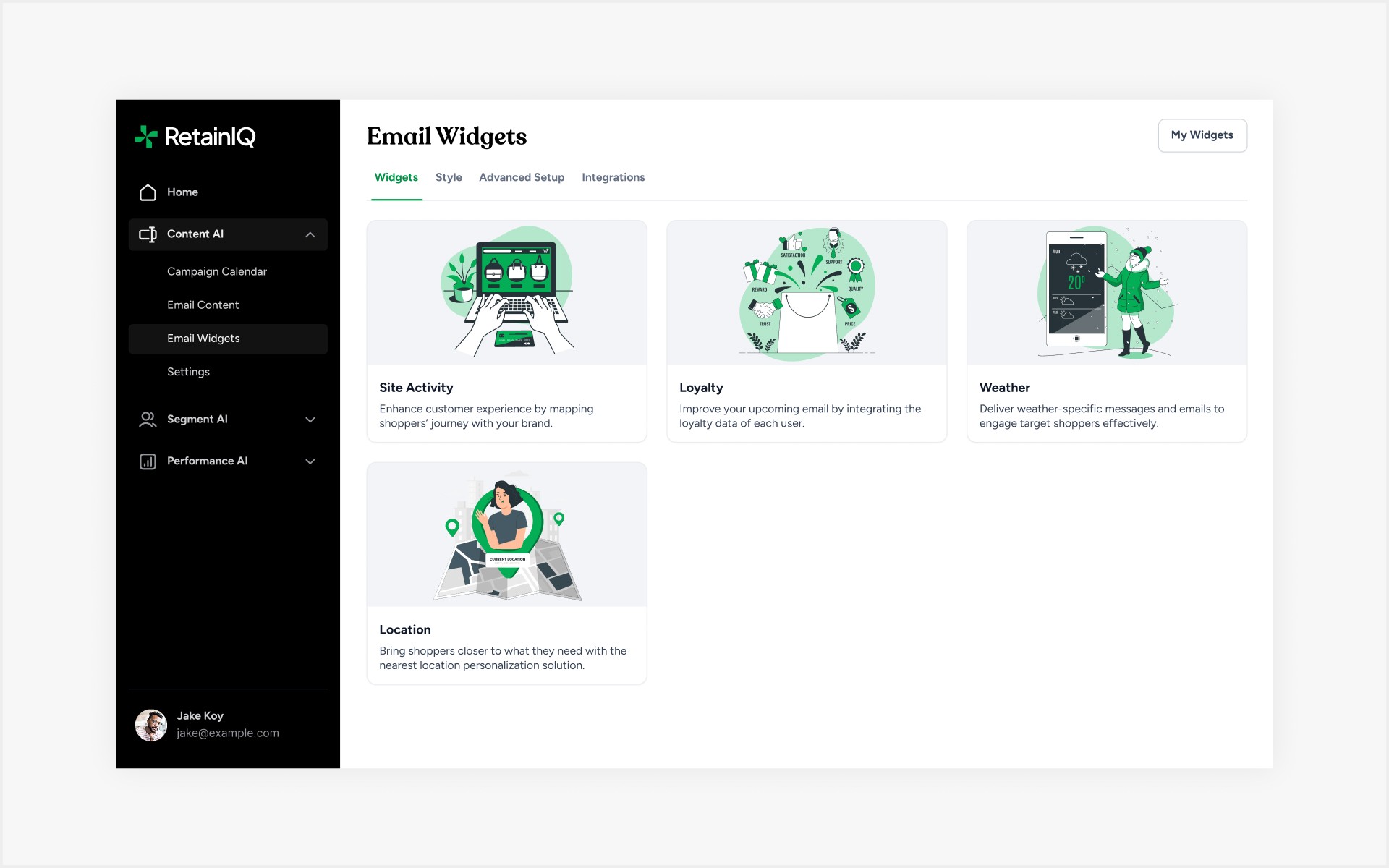
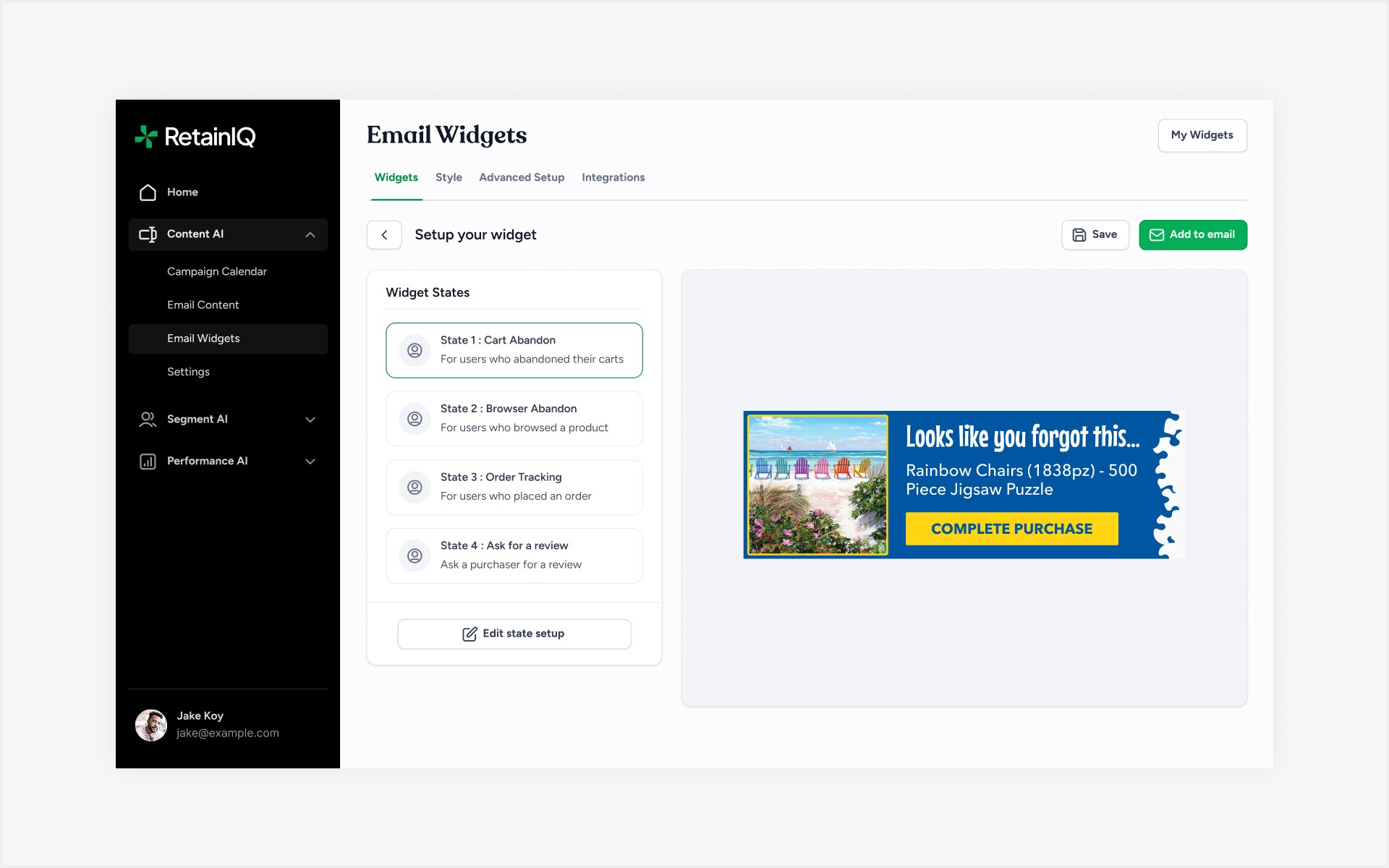
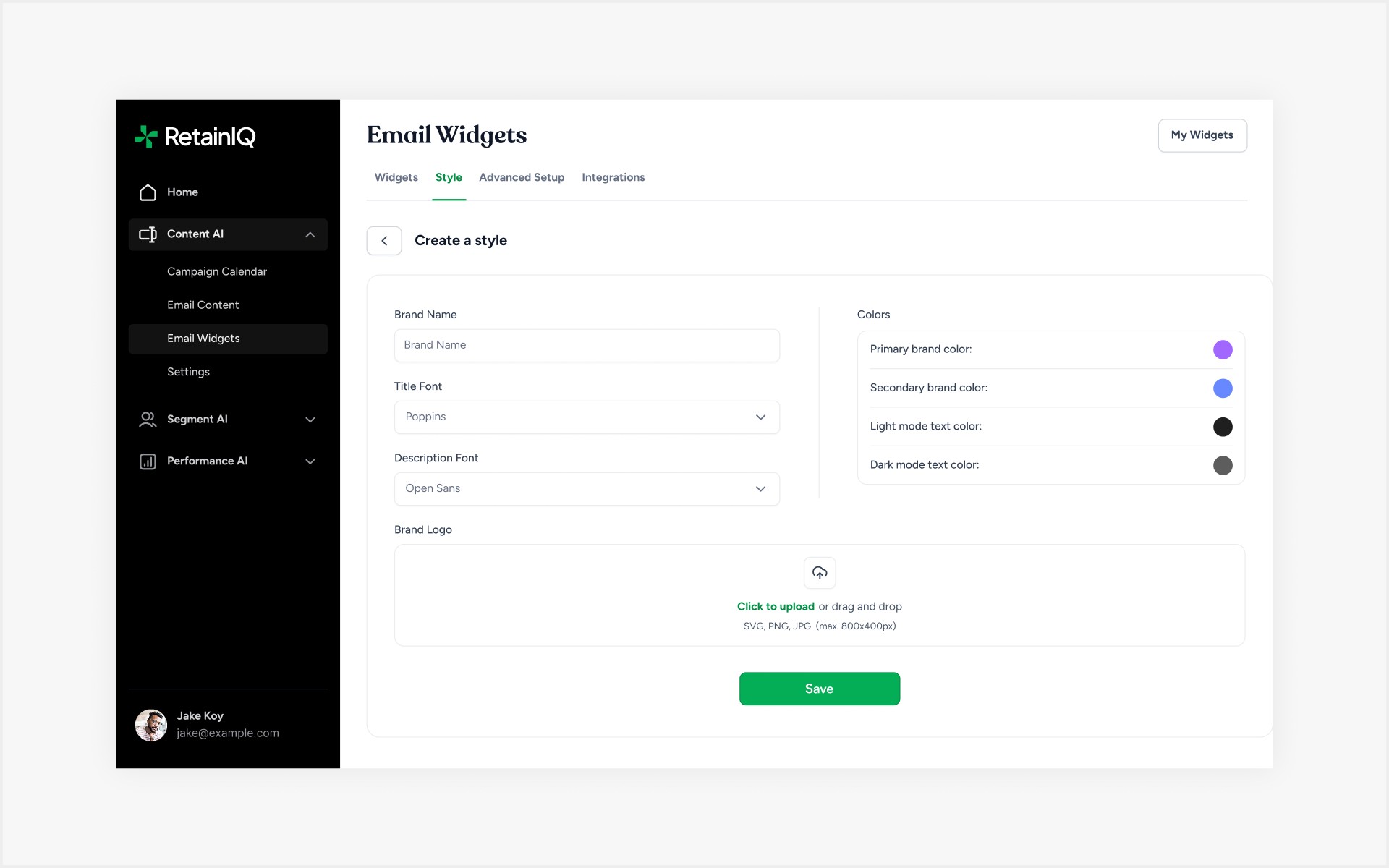
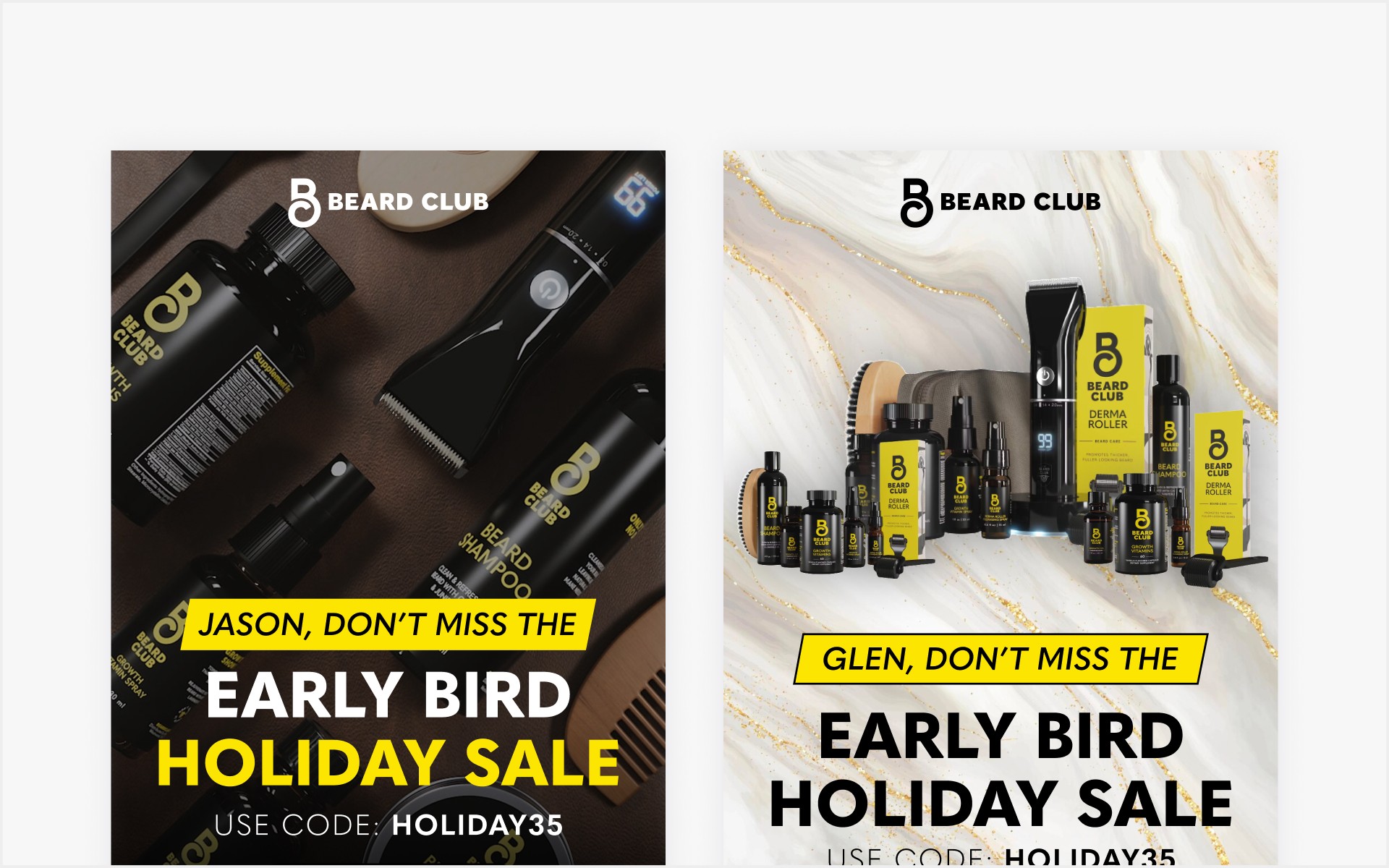
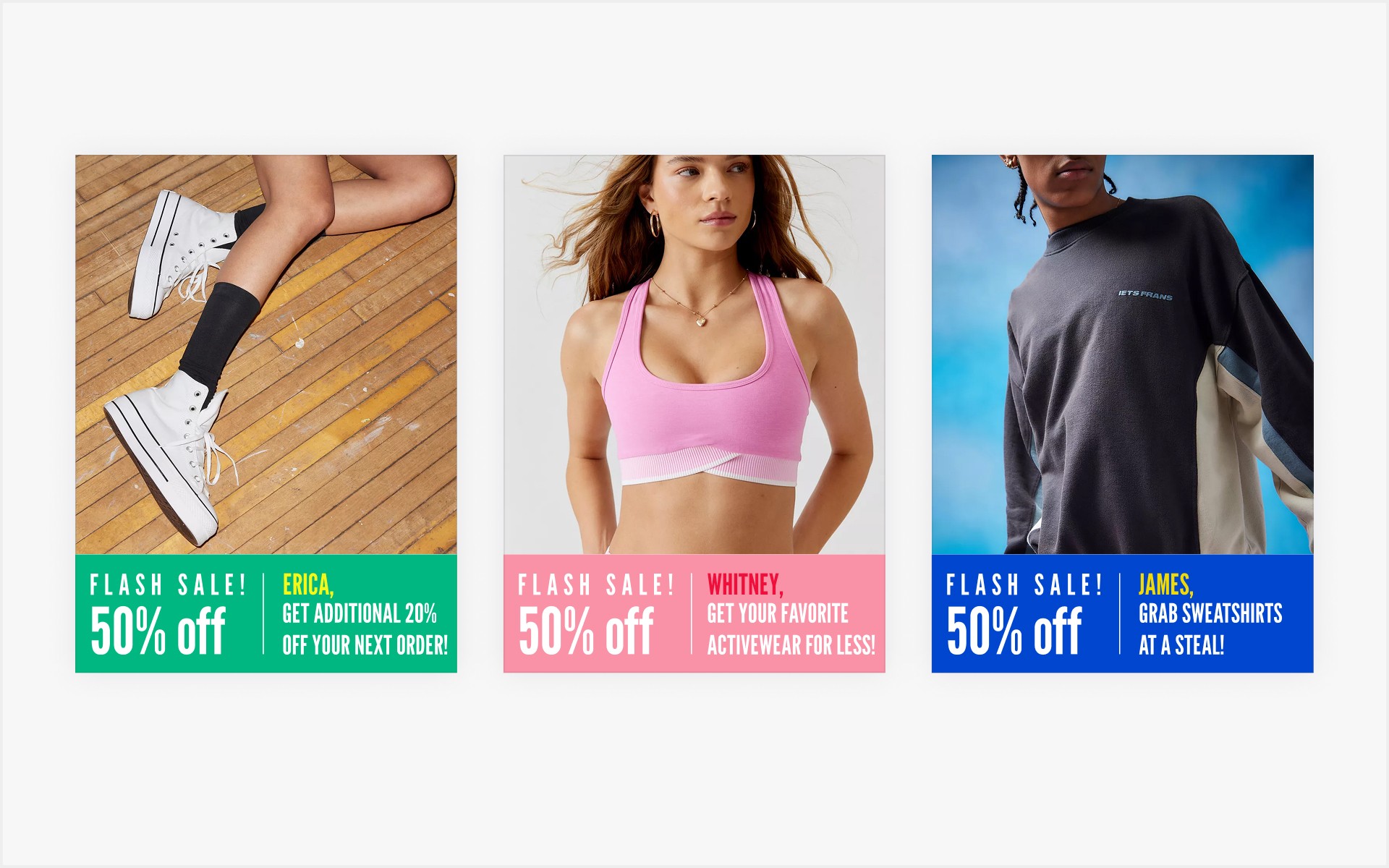
instead of static templates, brands could build dynamic blocks that adapted to each user:
if someone browsed a product but didn’t purchase, the email could resurface it.
if a product went on sale, the message updated automatically.
this evolved further with the integration of an ai tool stack:
calendar ai → smarter campaign planning
content ai → faster, context-aware copy
target ai → sharper audience definitions
performance ai → real-time optimisation
my role was to make these advanced capabilities feel accessible.
to turn complex ai logic into simple, predictable workflows.
the result wasn’t just better emails.
it was calmer tools that felt easier to trust.
some brands saw measurable gains:
higher click-through rates
stronger engagement
significant lifts in email-driven revenue
drag
catalog ads, redesigned for scale
the second product tackled a heavily constrained space:
meta’s catalog ads.
by default, brands can’t customise how catalog ads look. everything feels templated. everything looks the same.
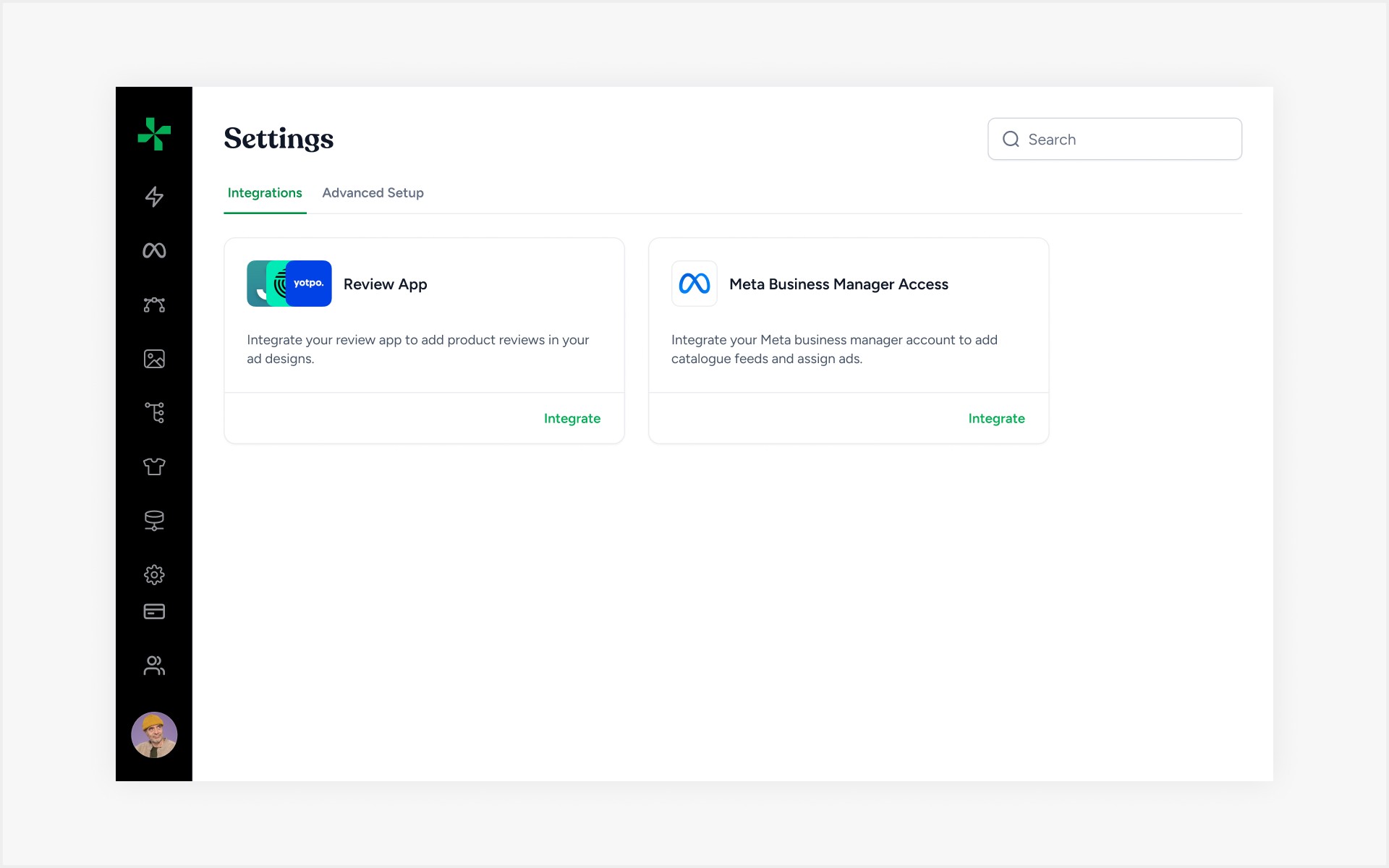
we built a system that sat between shopify and meta.
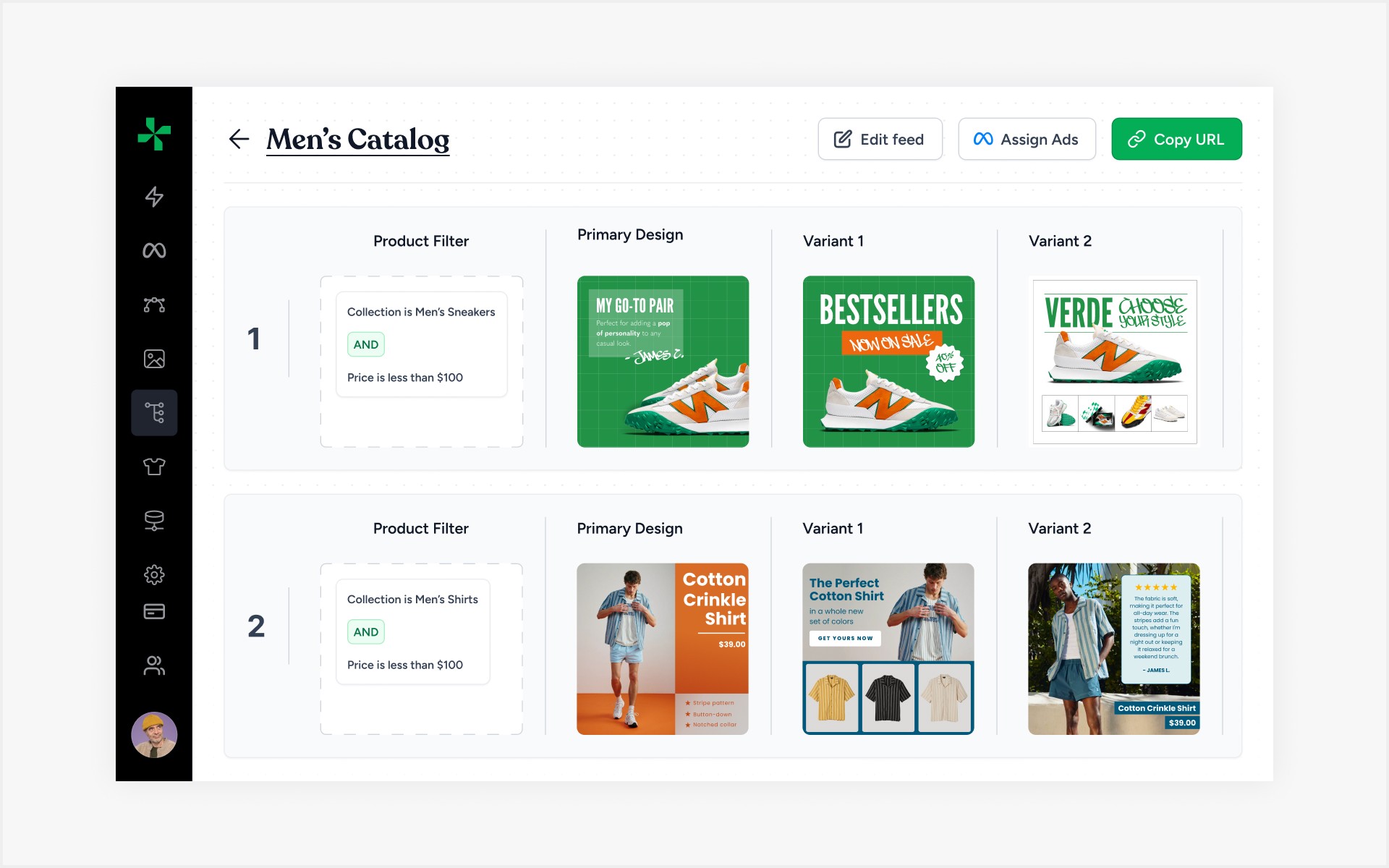
brands could create one creative system and apply it across:
entire catalogs
specific collections
or behavioural segments of users
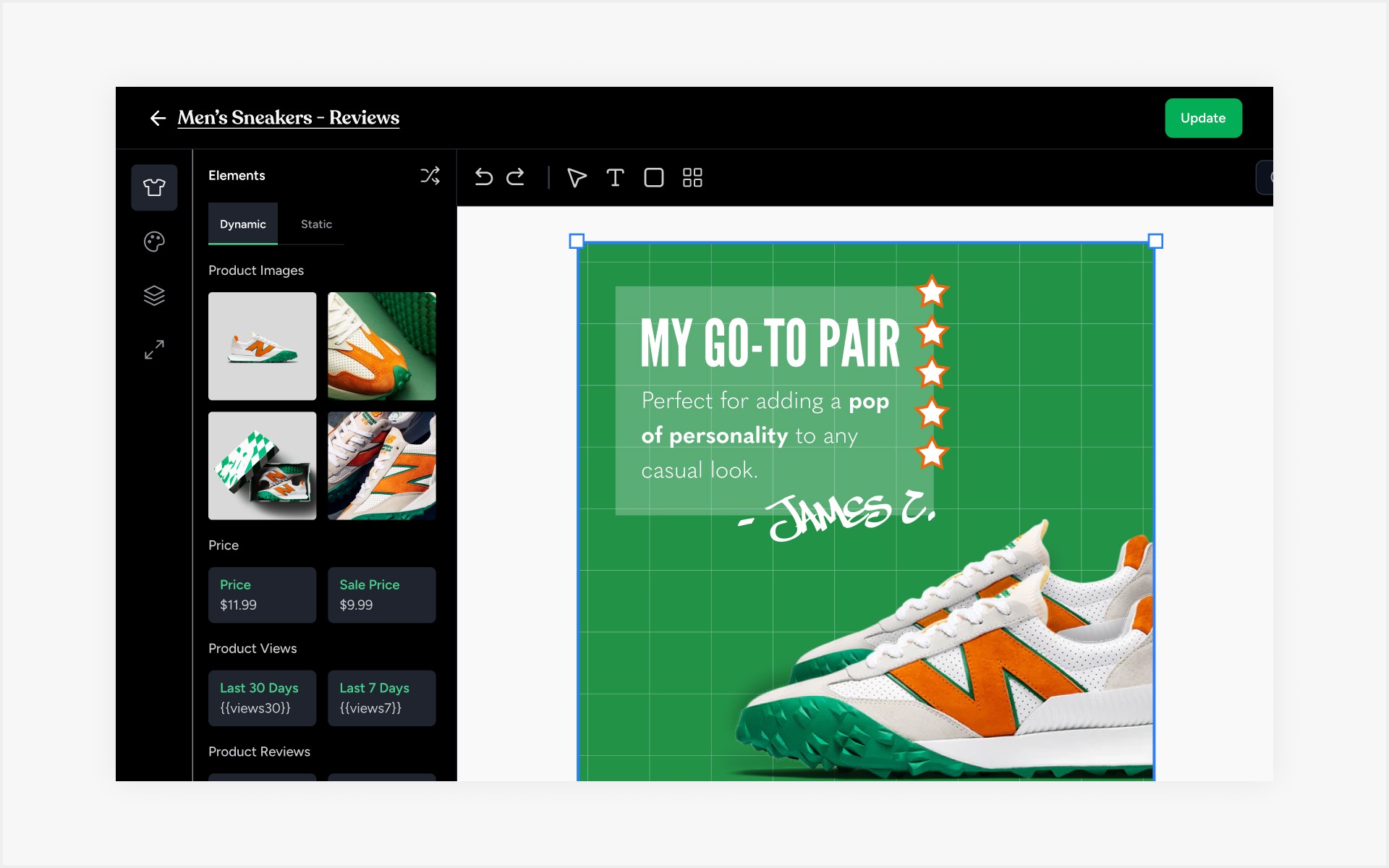
but the most powerful layer was personalization.
ads weren’t just scaled —
they were tailored to user behaviour.
if a customer browsed a product, their feed reflected that.
if they showed interest in a category, the creative adapted.
combined with stronger visual control, this led to real business impact:
some brands saw 40–60% improvements in ROAS within weeks.
not from louder ads, but from smarter ones.
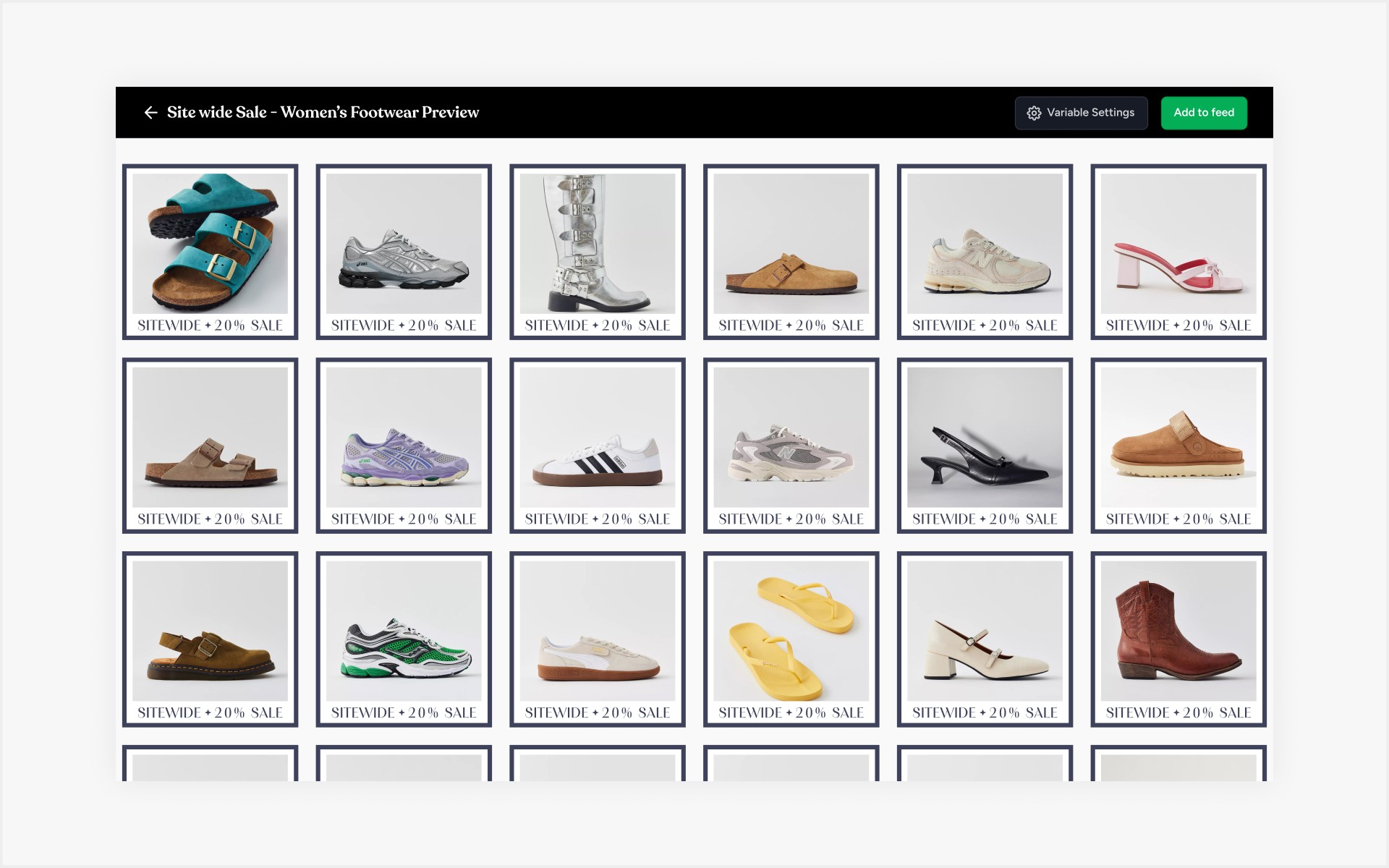
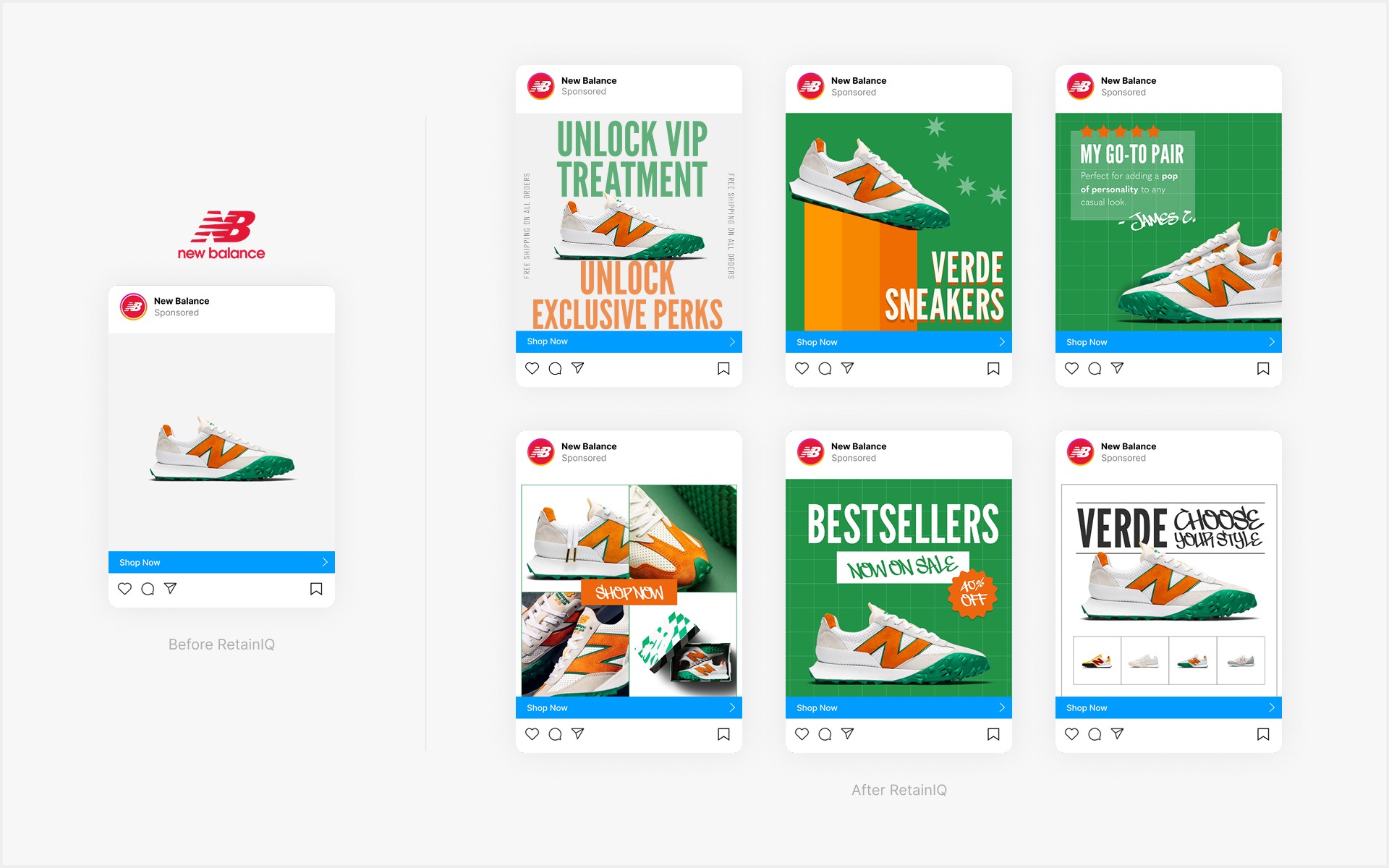
drag
what i focused on
this work was about turning complex systems into usable tools.
both products had heavy logic behind them : personalization rules, data feeds, creative scaling, but the people using them weren’t engineers. they were marketers trying to move fast.
my focus was on:
simplifying workflows
removing unnecessary decisions
designing predictable system behaviour
making outcomes easy to preview and trust
the goal wasn’t to expose complexity.
it was to hide it in the right places.
what this taught me
working on early retainiq products forced me to think beyond screens.
i had to think about how marketers actually work: fast, under pressure, and with very little patience for fragile tools.
working here pushed me to design for:
clear mental models and systems that don’t surprise the people using them