sight sphere
designing a clearer home for everything you save online
project context
sight sphere was a freelance project to explore a mobile app that brings together saved content from instagram, twitter, reddit, and other platforms. the founder wanted a clearer mental model for how people could use their saved items more intentionally. my role was to define the product’s structure, core journeys, and the early visual direction for the concept. all collaboration with the founder and senior designer happened over video calls.
the mvp needed to:
connect social accounts and import saved content
organize everything into goal-based spaces
support lightweight ai suggestions
create a calm, intentional mobile-first experience
team
myself
senior product designer
founder
timeline
4 weeks
where intention gets lost
people save things because they see value in them - a recipe to try, a workout to follow, a design idea to remember. every save is a small step toward a future version of themselves.
but saving is also a way to cope with the endless stream of information online. tapping “save” feels like progress, even though most of it is never revisited.
the real issue starts after the save.
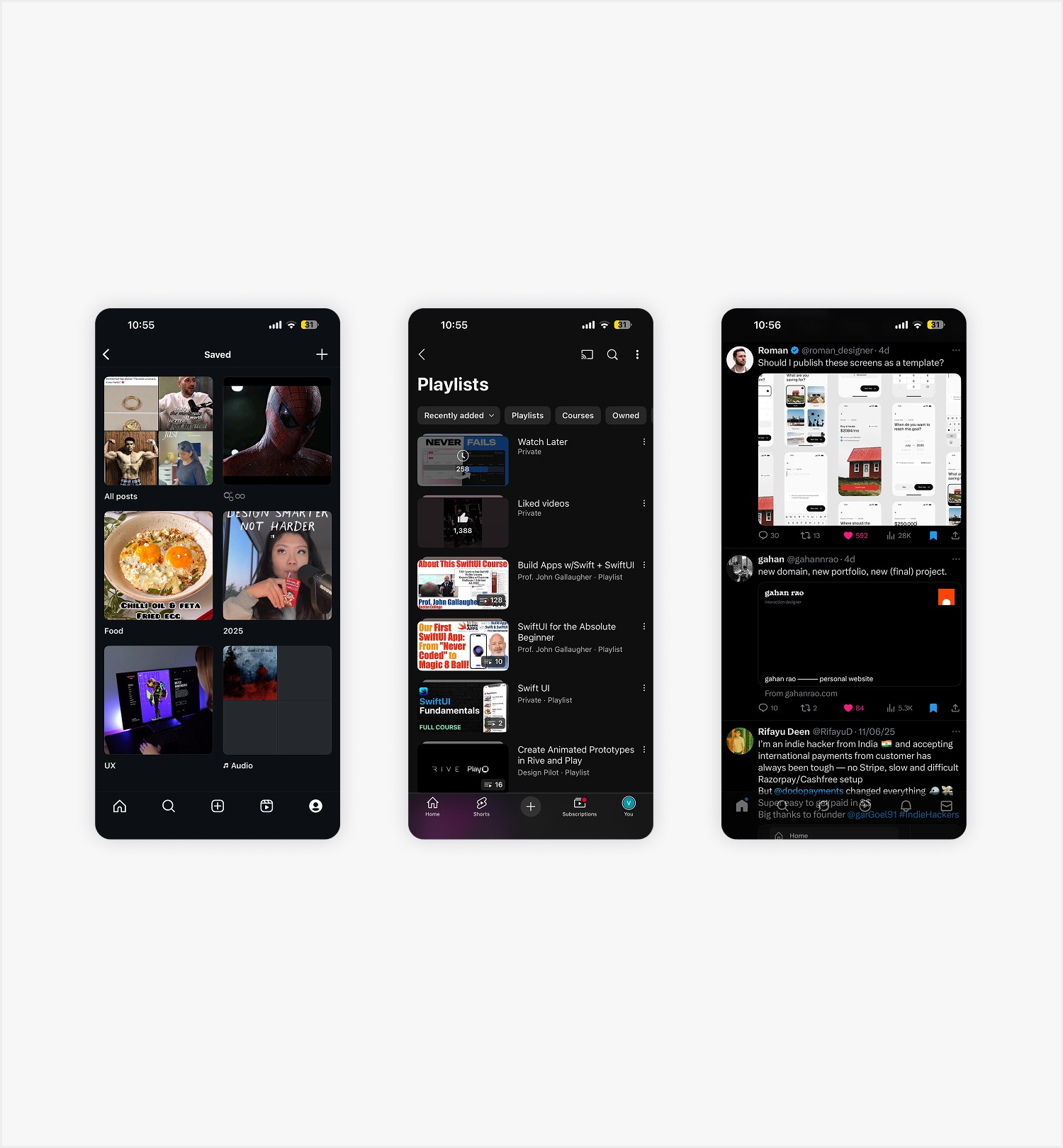
content gets scattered across different pockets - instagram collections, twitter bookmarks, reddit saves, tiktok favorites, screenshots buried somewhere in the camera roll. each platform keeps its own system, none of them understand why something was saved, and none bring it back when it matters.
the loop breaks here:
goal → find something valuable → save → different pockets → overwhelm → forget
what we found along the way
most of the early understanding came from conversations with the founder, the senior designer, and people who shared how they save and try to use content. the patterns were almost identical.
people almost never return to saved content
even though platforms structure saves differently, users naturally think in goals: fitness, recipes, design ideas, learning something new. this became the foundation of the product.
saves cluster around goals, not platforms
saves can be described as “cemeteries,” “black holes,” and “a drawer of good intentions.” the issue wasn’t saving — it was retrieval.
tags and folders break down quickly
tag systems rely on consistent manual effort. users save impulsively but organize rarely, so taxonomy collapses almost immediately.
saving feels like progress
saving gives emotional relief — a sense of being productive, even when nothing happens after. this insight explained why people save far more than they use.
there is no cross-platform memory
platforms don’t talk to one another. saved content becomes fragmented by design, which breaks every intention behind the save.

these signals shaped the core idea of sight sphere:
organize saved content by intention, not by platform.
what existed before
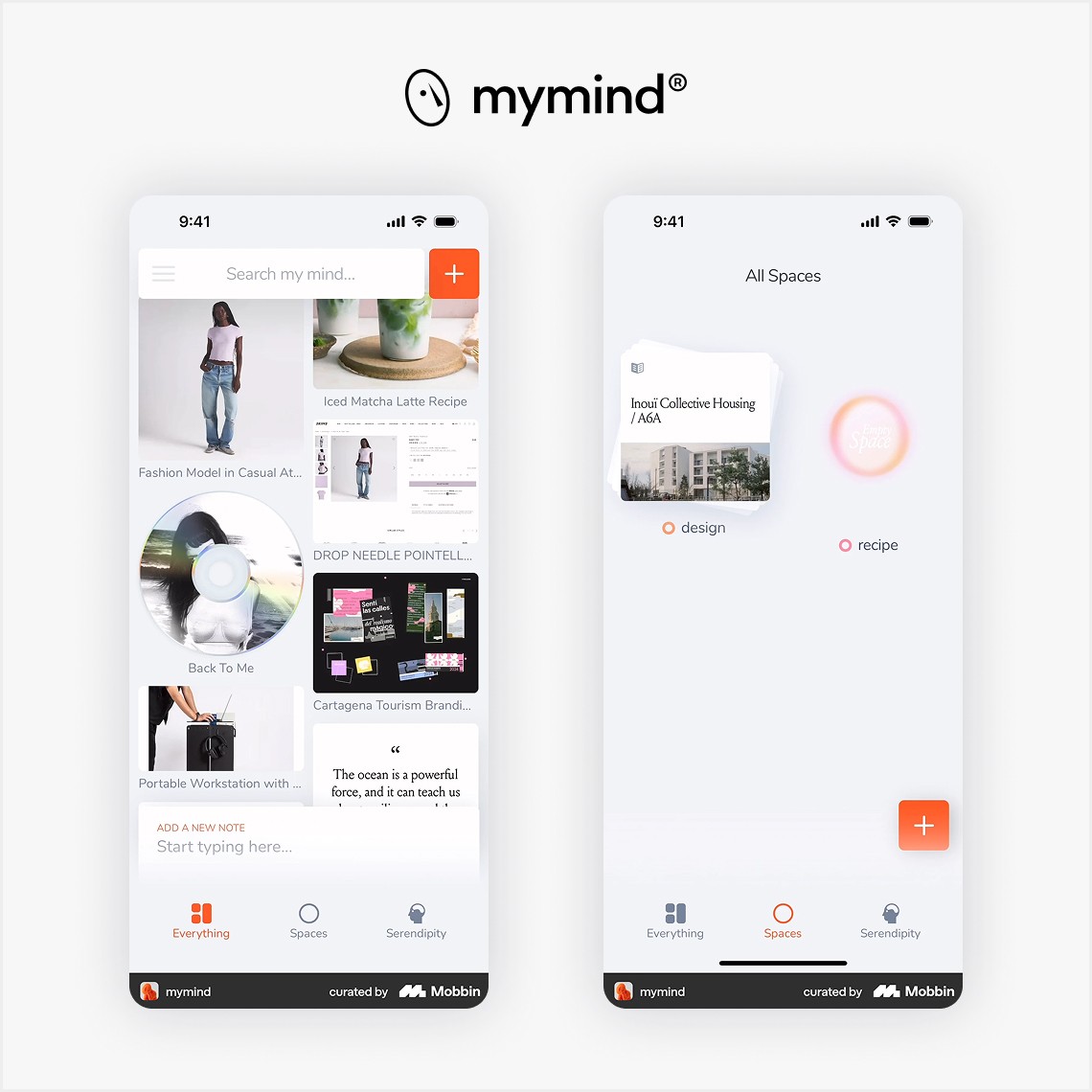
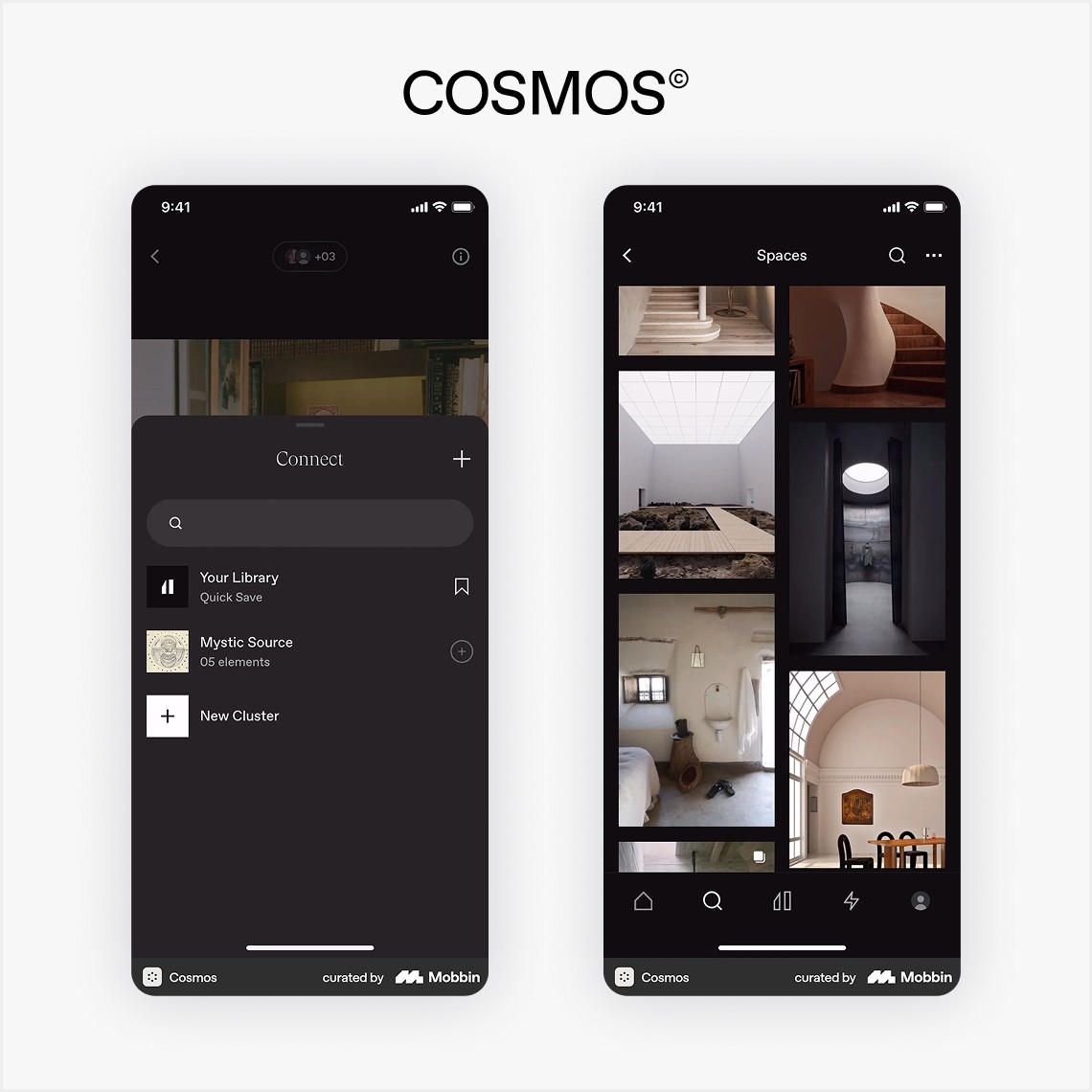
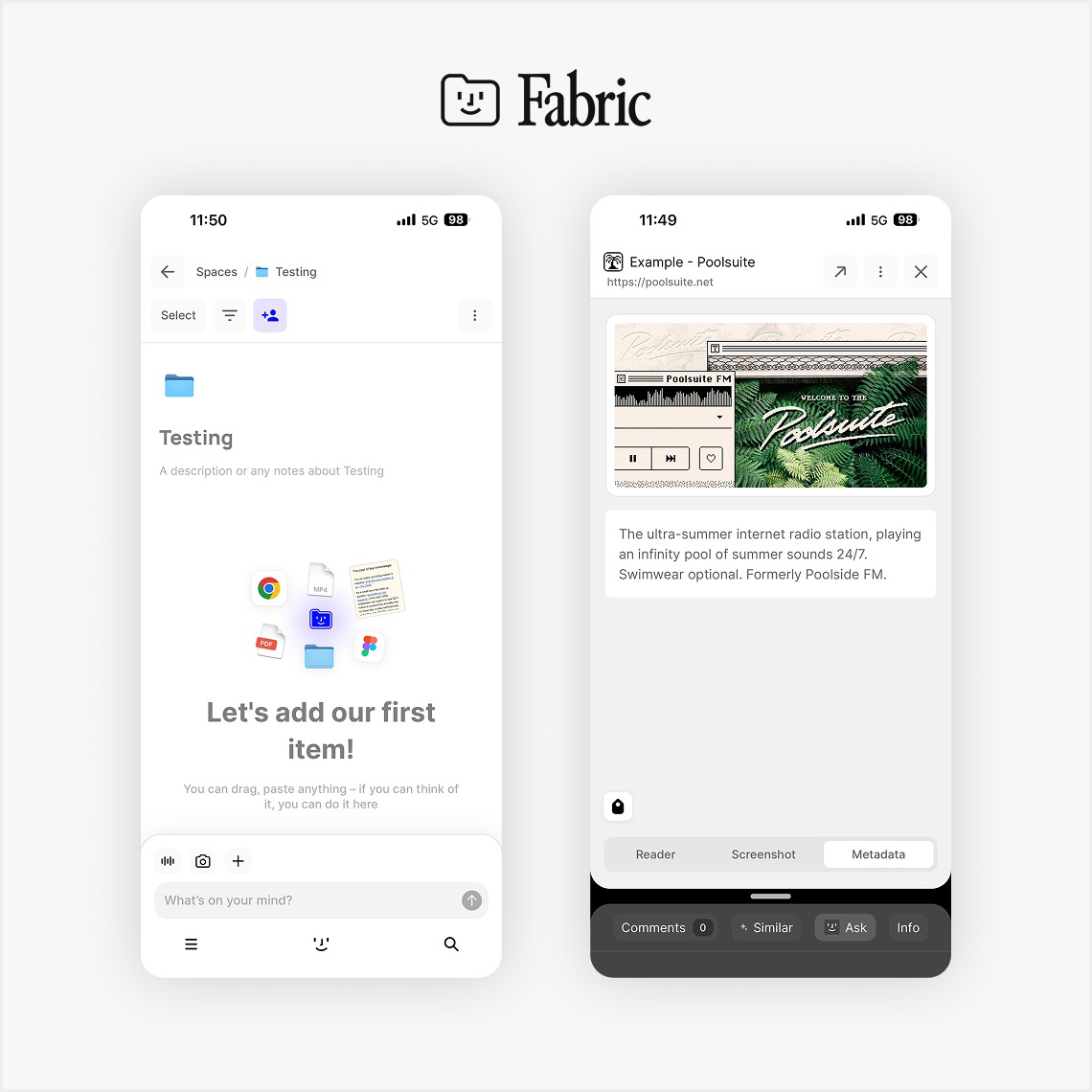
before starting, i looked at three tools that shape how people save and organize ideas today: mymind, cosmos, and fabric.so.
each had something valuable:
mymind is calm and beautifully minimal
cosmos is great for visual exploration
fabric blends notes and saved items into one system
but they all shared the same gap:
no direct connection to social saves, no goal-based structure, and no way to turn inspiration into progress.
that gap became the opportunity for sight sphere.
ideas that shaped the product
a few principles guided the earliest decisions. none of them were complicated, but they became the backbone of the product.
everything starts with connection
the moment a user links their social accounts, sight sphere becomes useful. this defined the onboarding flow: get connected quickly, then show value immediately.
inspiration should look and feel calm
saved content online usually lives inside noisy UI. sight sphere needed to feel like the opposite — soft, quiet, and distraction-free. the design leans on light gradients, simple typography, and plenty of space.
organization should emerge, not be forced
most apps ask users to organize before they create. sight sphere flips this. users import everything first, then the system helps shape it into spaces and goals.
goals change how content behaves
a goal isn’t decoration. once set, it influences sorting, suggestions, and what content surfaces first. goals give structure to the mess.
bringing the product to life
the high-fidelity direction explored how sight sphere could feel once the core ideas were translated into an interface — calm screens, soft gradients, and interactions that stay out of the user’s way. beneath each screen is a simple layer of logic. not loud. not over-explained. just enough to show how the experience works behind the scenes.
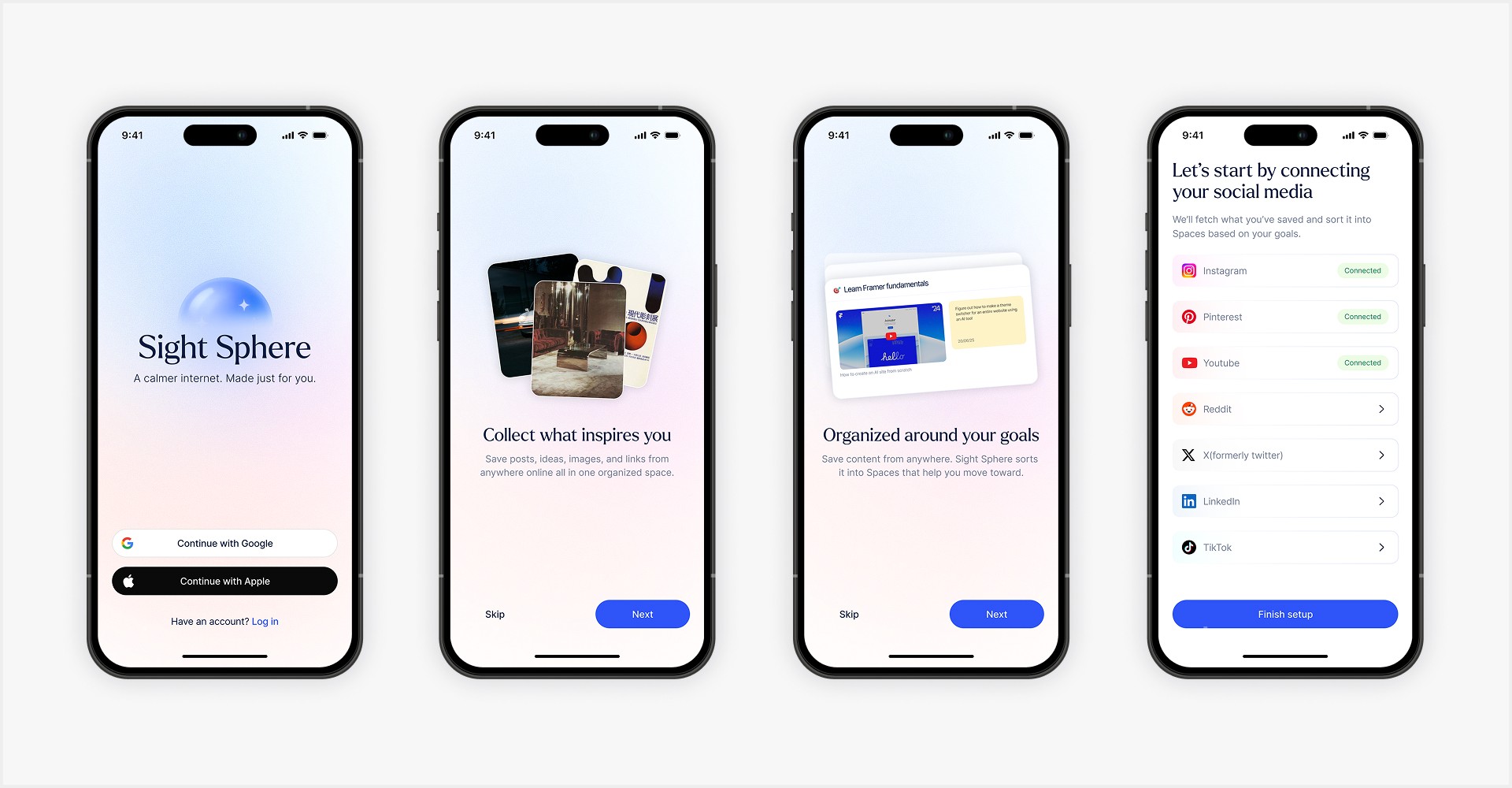
onboarding
users start by connecting their social accounts. once they do, sight sphere immediately pulls in everything they’ve saved and surfaces it in the “everything” view.
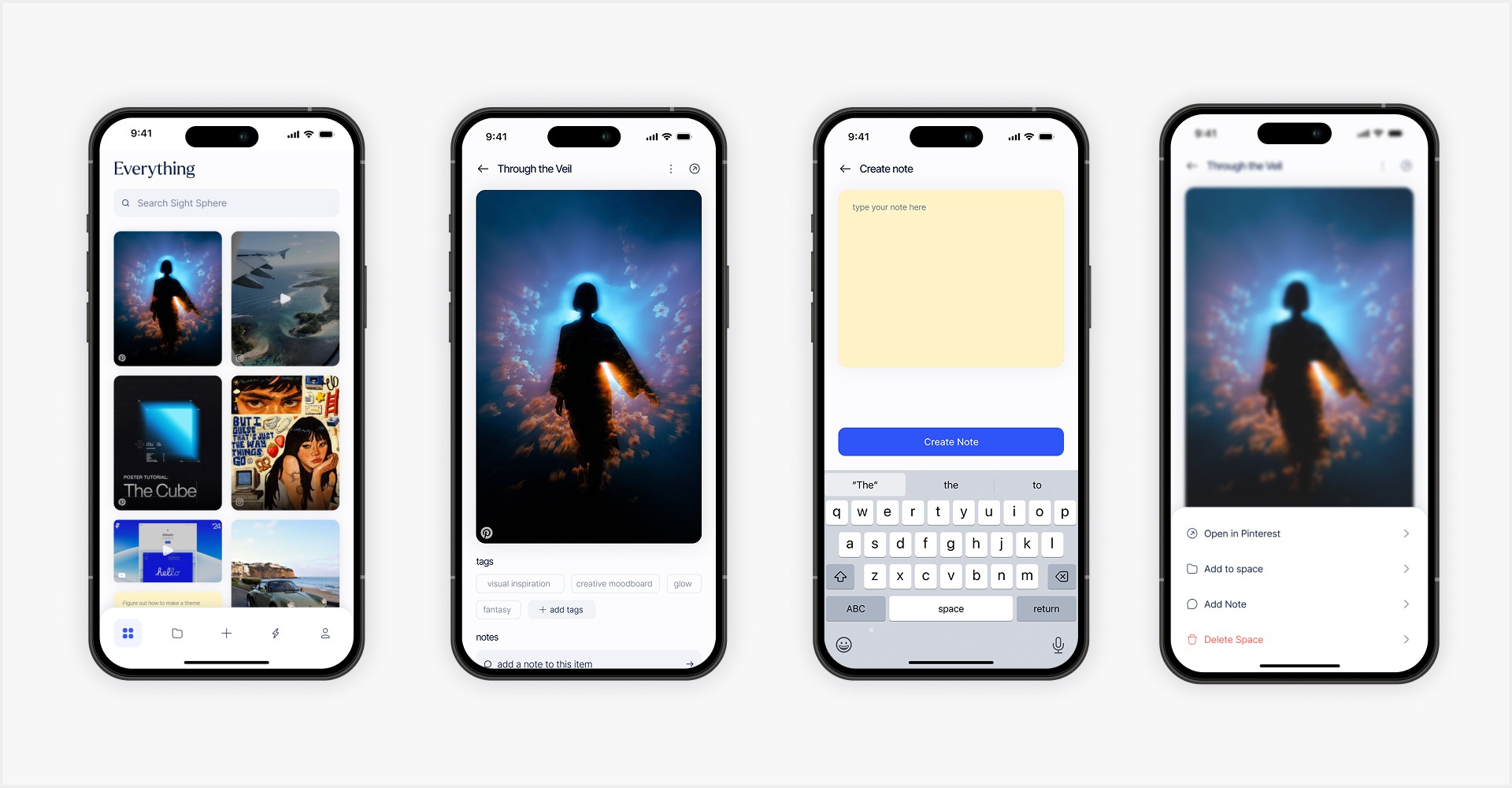
everything
the “everything” view brings all saved posts together — instagram, pinterest, reddit, twitter, and more — without platform boundaries. it’s the user’s raw library: a clean grid of inspiration. opening an item reveals its original preview, metadata, and actions. from here, users can add notes, tag it, or move it into a space. this is where a simple save becomes something more intentional.
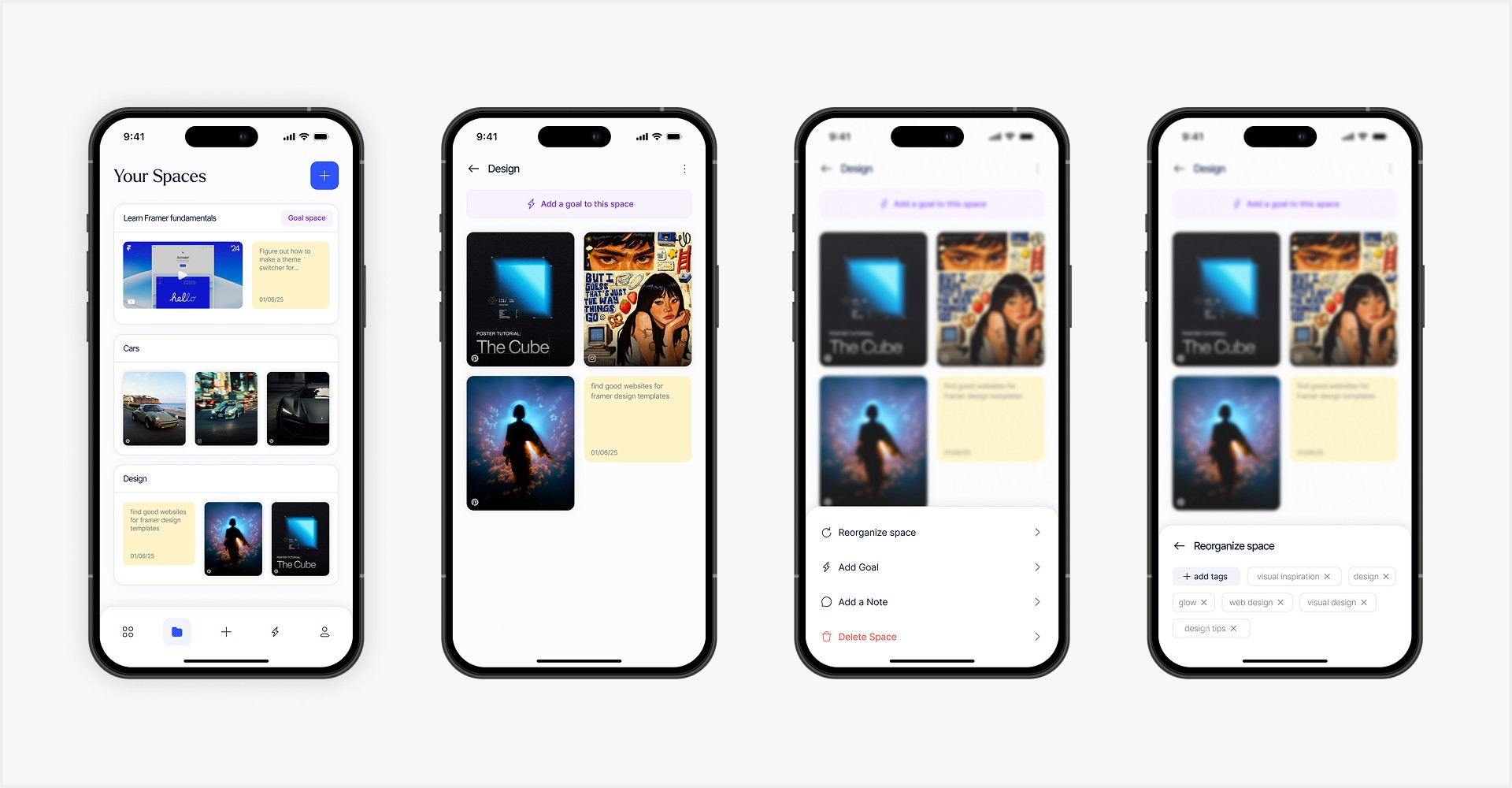
spaces
spaces are themed collections that grow naturally — design, cars, recipes, fitness, anything the user cares about. they stay flexible, letting users reorganize, add context, or refine only when needed.
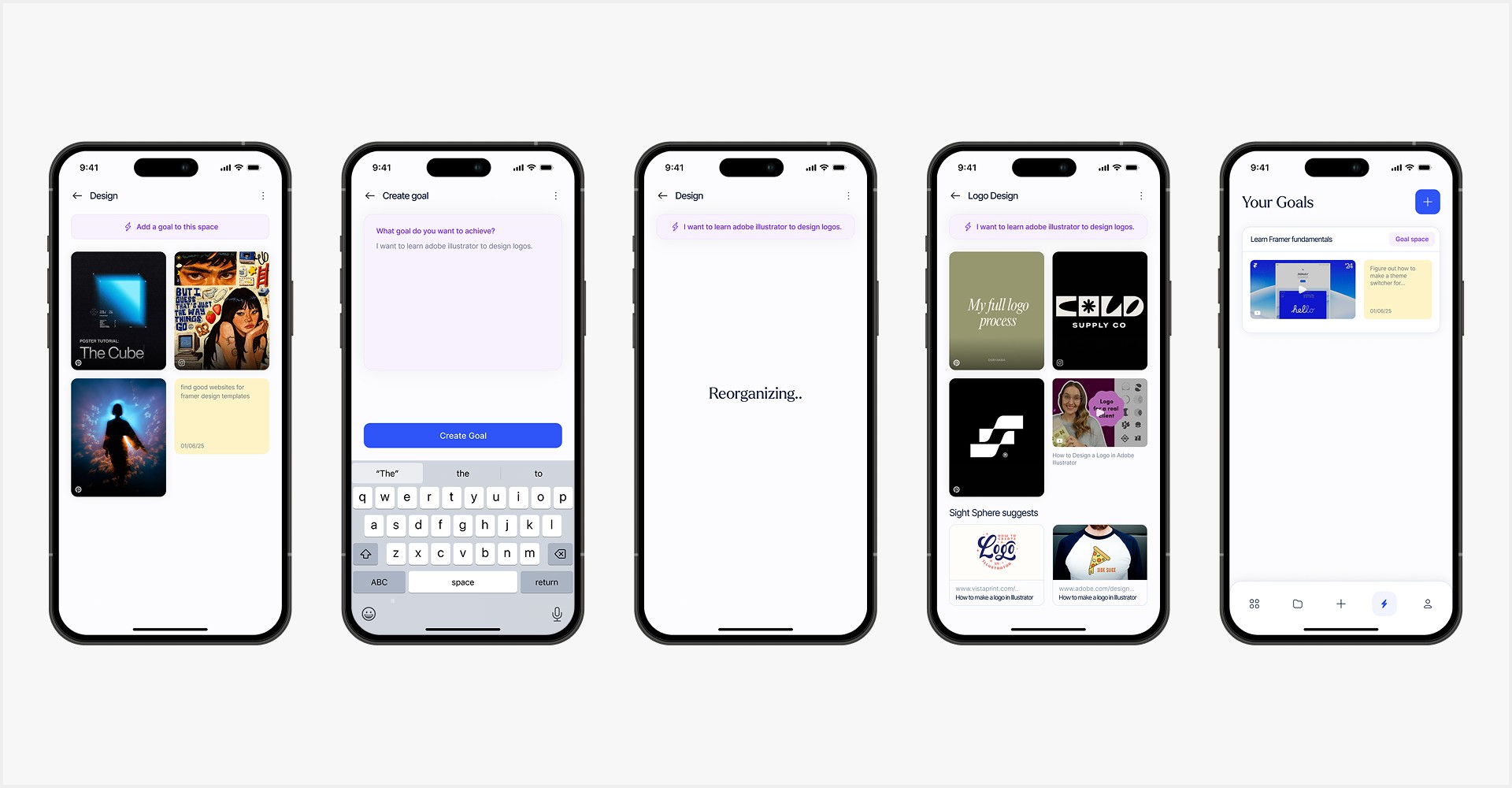
adding a goal
typing a goal turns a normal space into a goal-driven one. sight sphere then reorganizes the content to support that intention — surfacing relevant posts first and offering light ai suggestions when they help.
once a goal is set, the space feels different. content aligns around what the user is trying to achieve. suggestions appear. clutter fades. progress becomes visible.
what this work taught me
even though this was a freelance project and the version shown here never shipped, it remains one of the clearest examples of designing around human behavior instead of UI trends.
it taught me to ask better questions:
why do people save things?
what do they hope those things will do for them?
what gets in the way?
and more importantly: